Mirro Matic cookers boast a rich history, with readily available instruction manuals online, even for vintage models like the M-9293-69 percolator.
Finding these guides, such as those on search-document.com and ManualsLib, is crucial for safe and effective operation.
Knowing your cooker’s capacity, model number, and manufacture date—often found within the manual—is vital for warranty claims and part replacements.
These resources empower users to confidently utilize these classic kitchen appliances, ensuring successful cooking and canning experiences.
Historical Context of Mirro Matic Cookers
Mirro Matic pressure cookers emerged during a period when home canning and efficient cooking were paramount. Vintage manuals, like those surfacing in online forums since 2010, demonstrate a long-standing user base.
The availability of manuals, even decades old, highlights the cooker’s enduring appeal and the manufacturer’s commitment to support.
Early models, such as the 394M, saw modifications like pressure gauge replacements, indicating user adaptation and a desire for improved functionality. These cookers represent a significant piece of kitchen history.
Understanding the Mirro Matic Model Numbers
Mirro Matic model numbers are critical for identifying the correct instruction manual and replacement parts. Resources like ManualsLib emphasize recording your cooker’s specific model number alongside its capacity and manufacture date.
This information is essential for warranty purposes and ensures compatibility when sourcing components;
Examples, like the 92040 and the percolator M-9293-69, demonstrate the diversity of models and the need for precise identification. Accurate model numbers unlock access to tailored support.
Key Components of the Mirro Matic Pressure Cooker
Mirro Matic cookers feature a robust body, secure lid with locking mechanisms, and a pressure regulator—either a jiggler or gauge—vital for safe operation.
The Cooker Body and Materials
Mirro Matic pressure cookers are traditionally constructed from heavy-gauge aluminum, known for its excellent heat distribution and durability. This material ensures even cooking and prevents hot spots that could lead to food burning.
The body’s design is engineered to withstand the internal pressure generated during operation, providing a safe cooking environment. Vintage models, like the percolator M-9293-69, showcase this robust build quality, demonstrating longevity and reliability.
Understanding the material composition is key to proper care and maintenance.
Lid and Locking Mechanisms
Mirro Matic pressure cooker lids are designed with a secure locking mechanism, crucial for maintaining consistent pressure during operation. These mechanisms typically involve a precise alignment and locking procedure, detailed in the instruction manual.
Proper lid sealing is paramount for safe pressure cooking and canning. Users must ensure the lid is correctly positioned and locked before applying heat, preventing dangerous steam leaks.
Referencing the manual is vital for understanding the specific locking procedure for your model.
Pressure Regulator (Jiggler vs. Gauge)
Mirro Matic cookers historically utilized two primary pressure regulation methods: the traditional “jiggler” and the more precise pressure gauge. The jiggler, a weighted disc, releases steam intermittently, indicating pressure.
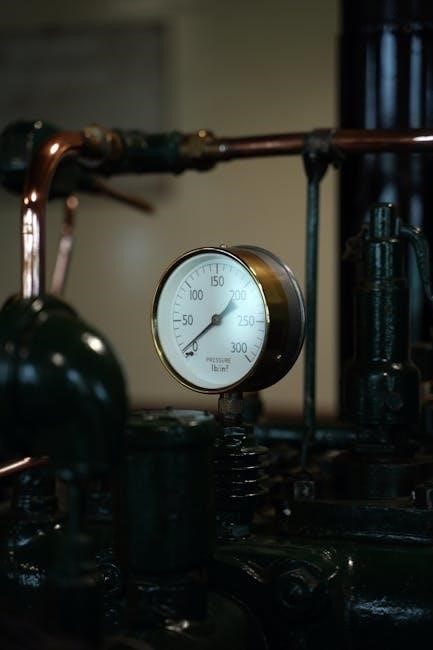
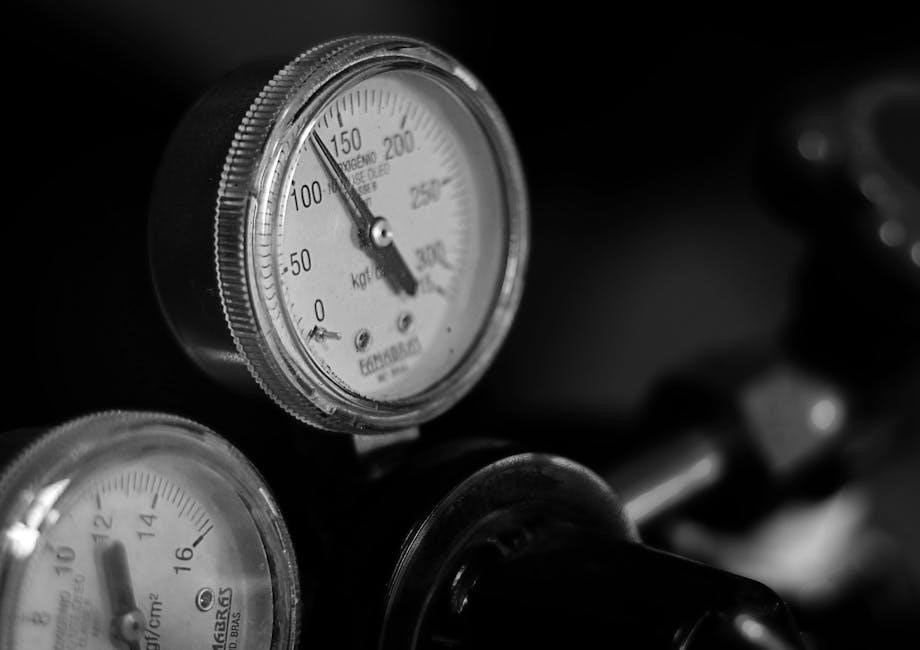
However, some users, finding the jiggler unreliable, have opted to retrofit their cookers with a pressure gauge for more accurate readings up to 20 pounds.
The instruction manual details the operation and maintenance of whichever regulator your model employs.
Operating Instructions: Basic Use
Mirro Matic manuals emphasize recording your cooker’s capacity, model, and manufacture date for warranty and parts.
Proper preparation, adding food and liquid, and secure lid locking are essential steps.
Always consult your specific model’s manual for detailed guidance.
Preparing the Cooker for Use
Before first use, thoroughly inspect your Mirro Matic pressure cooker and its manual. Ensure all components are present and undamaged. Carefully read the instructions, noting your cooker’s specific capacity, model number, and date of manufacture – this information is crucial for warranty and replacement parts.
Verify the sealing ring is properly seated in the lid, and the vent pipe is clear of obstructions. A clean cooker body is also essential for a proper seal and safe operation.
Adding Food and Liquid
Refer to your Mirro Matic manual for precise liquid requirements, as insufficient liquid can cause scorching. Generally, add at least the minimum liquid specified – typically 1-3 cups, depending on the cooker size and food type.
Do not overfill; leave adequate headspace (usually 1-2 inches) to allow for expansion during pressure build-up. Add food, ensuring it doesn’t block the vent pipe or pressure regulator.
Securing the Lid and Setting Pressure
Carefully align the lid with the cooker body, ensuring a proper seal. Rotate until it locks securely – a crucial safety step. Consult your manual to determine the correct pressure setting for your recipe; typically 5, 10, or 15 PSI.
Attach the weighted gauge (jiggler) or pressure regulator, verifying it moves freely. Begin heating on medium-high heat, allowing the cooker to vent steam before pressurizing.
Pressure Cooking Times and Guidelines
Refer to your Mirro Matic manual for precise cooking times for vegetables, meats, and legumes. These times vary based on model and desired tenderness.
Proper timing ensures safe and delicious results, crucial for both cooking and canning applications.
Vegetable Cooking Times
Consult your Mirro Matic manual for specific vegetable cooking times, as these depend on the vegetable type and desired texture. Generally, softer vegetables like green beans require shorter processing times—around 7-10 minutes at 15 PSI—while denser vegetables, such as carrots or potatoes, need 12-15 minutes.
Always factor in the time to reach pressure and the natural pressure release or quick release method, as outlined in your manual, for optimal results.
Proper timing prevents overcooking and ensures perfectly tender vegetables.
Meat and Poultry Cooking Times
Refer to your Mirro Matic instruction manual for precise meat and poultry cooking times, varying by cut and weight. Larger cuts, like roasts (3-4 lbs), typically require 20-25 minutes at 15 PSI, while poultry (whole chicken, 3-4 lbs) needs approximately 20-22 minutes.
Always ensure meat reaches a safe internal temperature, verified with a thermometer, after pressure cooking.
Adjust times based on your cooker’s model and desired tenderness.
Bean and Legume Cooking Times
Consult your Mirro Matic manual for accurate bean and legume cooking times, as these vary significantly. Dried beans, like kidney or pinto, generally require 20-30 minutes at 15 PSI, depending on the variety and age of the bean.
Soaking beans beforehand can reduce cooking time slightly.
Always check for desired tenderness after the initial cooking period, adding more time if needed;
Safety Precautions and Troubleshooting
Mirro Matic manuals emphasize preventing accidents and burns; address jiggler unreliability by switching to a gauge, and consult guides for malfunction solutions.
Preventing Accidents and Burns
Mirro Matic instruction manuals consistently prioritize user safety. Thoroughly read the manual before initial use to understand proper operation and potential hazards. Always ensure the lid is securely locked before applying heat, and never attempt to open the cooker while pressure remains inside.
Carefully follow recommended pressure release methods – natural release or rapid cooling – to avoid steam burns. Regularly inspect the pressure regulator (jiggler or gauge) for proper function and replace worn parts promptly.
Addressing Jiggler Issues
Mirro Matic cookers utilizing a jiggler weight may experience inconsistent pressure regulation over time. If the jiggler becomes unreliable, as noted by some users, the manual advises careful inspection for obstructions or damage.
A common solution, documented in online forums, is to replace the jiggler with a modern pressure gauge for more precise control. Ensure any replacement part is compatible with your specific model before installation.
Dealing with Pressure Gauge Malfunctions
Mirro Matic pressure cookers equipped with gauges require periodic checks for accuracy. If a gauge malfunctions, immediately discontinue use and consult the instruction manual for troubleshooting steps.
A faulty gauge can pose a safety risk, potentially leading to under or over-pressurization during cooking. Replacement gauges should be specifically designed for pressure cookers and match the cooker’s pressure capacity.
Cleaning and Maintenance
Mirro Matic cookers require proper cleaning after each use, ensuring longevity and safe operation. Refer to the instruction manual for detailed procedures and storage recommendations.
Proper Cleaning Procedures
Thorough cleaning is essential after every use of your Mirro Matic pressure cooker. Disassemble all removable parts – the lid, gasket, pressure regulator (jiggler or gauge), and any inner components – and wash them in warm, soapy water.
Inspect the gasket for cracks or damage, replacing it if necessary. The cooker body should be wiped clean with a damp cloth; avoid abrasive cleaners. Ensure all parts are completely dry before reassembling and storing.
Consult your instruction manual for specific cleaning guidance related to your model.
Storage Recommendations
Proper storage extends the life of your Mirro Matic pressure cooker. Ensure all components are completely dry before storing to prevent rust or mildew. Store the cooker in a cool, dry place, away from direct sunlight and extreme temperatures.
Avoid stacking heavy items on top of the cooker, which could damage the lid or body. Keep the manual readily accessible for future reference, especially regarding model-specific details.
Loose parts should be stored in a safe place.
Finding Replacement Parts
Identifying needed parts requires knowing your Mirro Matic model number. Manuals aid this process, and online resources can help locate components for repair and maintenance.
Identifying Needed Parts
Precisely identifying the required replacement part begins with consulting your Mirro Matic pressure cooker’s instruction manual. Note the specific model number, as parts aren’t universally interchangeable. Carefully examine the damaged or worn component, comparing it to diagrams within the manual or online parts listings.
Pay attention to size, shape, and any identifying markings. Knowing the cooker’s manufacture date, also often found in the manual, can be helpful when sourcing vintage parts.
Sources for Replacement Components
Locating replacement parts for your Mirro Matic cooker requires diligent searching. Online marketplaces like eBay often host vintage and current components. Specialized appliance parts retailers may also carry Mirro Matic spares. Checking canning and pressure cooking forums can connect you with other owners who may have parts to sell or trade.
Always verify the part’s compatibility with your specific model number before purchasing, referencing your instruction manual for confirmation.

Mirro Matic Pressure Canning Instructions
Mirro Matic cookers excel at canning; manuals detail recommended procedures and processing times for various foods.
Proper jar preparation is essential for safe canning, as outlined in available guides.
Recommended Canning Procedures
Mirro Matic canning requires meticulous adherence to instructions found in the user manual. Always inspect jars for cracks and ensure proper sealing lids are used.
Follow recommended processing times based on food type, jar size, and altitude, as detailed in canning guides.
Proper venting and pressure maintenance are critical for safe food preservation, and the manual provides clear guidance on these steps.
Remember to consult reliable canning resources alongside the Mirro Matic manual for best results.
Jar Preparation for Canning
Mirro Matic canning begins with thorough jar preparation. Inspect jars for any chips or cracks, discarding damaged ones. Wash jars, lids, and rings in hot, soapy water, rinsing completely.
Sterilize jars according to manual instructions, typically by boiling for ten minutes. Keep jars hot until filling.
Heat lids in simmering water (do not boil) to soften the sealing compound.
Proper jar preparation is crucial for creating a vacuum seal and ensuring food safety during canning.
Processing Times for Different Foods
Mirro Matic manuals detail specific processing times based on food type, jar size, and altitude. Vegetables, meats, and legumes each require unique durations for safe canning.
Always consult your manual for accurate times; under-processing can lead to spoilage, while over-processing affects texture.
Adjust processing times for altitude, as lower atmospheric pressure requires increased processing to achieve a proper seal.
Follow recommended guidelines precisely for optimal results.

Understanding the Manual and Model Specifics
Mirro Matic manuals emphasize recording your cooker’s capacity, model number, and manufacture date for warranty purposes and obtaining correct replacement parts.
Importance of Knowing Cooker Capacity
Determining your Mirro Matic’s capacity is paramount for safe and successful pressure cooking and canning. Manuals, like those available on ManualsLib, specifically instruct users to write down this crucial measurement.
Capacity directly impacts processing times and the amount of food you can safely process at once; exceeding capacity can lead to dangerous situations.
Correct capacity information is also essential when referencing recipes and ensuring proper pressure regulation, ultimately guaranteeing food safety and quality.
Locating the Date of Manufacture
Identifying your Mirro Matic’s manufacture date is vital, alongside the model number, for warranty purposes and sourcing correct replacement parts. Manuals emphasize the importance of recording this information.
While specific locations vary by model, the date is typically stamped or etched directly onto the cooker body.
This date assists in determining compatibility with updated safety guidelines and accessing appropriate instructional materials for your specific cooker version.
Warranty Information (If Applicable)
Determining warranty coverage for your Mirro Matic requires locating the original documentation or contacting the manufacturer, if still available. Vintage cookers likely have expired warranties.
The instruction manual, when available, often details the initial warranty terms and conditions.
Recording the cooker’s date of manufacture, as previously discussed, is crucial when investigating potential warranty claims, even for secondhand purchases.
However, due to the age of many Mirro Matic models, warranty coverage is often no longer in effect.
Advanced Techniques and Recipes
Mirro Matic cookers excel beyond basics, ideal for flavorful soups, stews, and exploring diverse cooking methods.
Mastering pressure cooking unlocks efficient and delicious results, expanding culinary possibilities.
Using the Cooker for Soups and Stews
Mirro Matic pressure cookers dramatically reduce soup and stew cooking times, intensifying flavors through pressure-sealed environments.
Brown meats directly in the cooker body for added depth, then add liquids and vegetables.
Always adhere to minimum liquid requirements specified in your manual to prevent scorching.
Release pressure naturally for tender results, or use a quick release for faster cooking, but be mindful of potential splattering.
Experiment with various herbs and spices to create rich, complex flavor profiles.
Exploring Different Cooking Methods
Beyond basic pressure cooking, Mirro Matic cookers excel at diverse techniques, enhancing culinary versatility.
Steam vegetables quickly, retaining nutrients and vibrant colors, using a steamer basket within the pot.
Prepare flavorful rice dishes with precise liquid ratios, ensuring perfectly cooked grains every time.
The cooker’s sealed environment is ideal for braising tougher cuts of meat, yielding incredibly tender results.
Always consult your manual for specific timings and safety guidelines for each method.

Resources and Further Information
Online forums, like ChefTalk, and downloadable manuals offer valuable support for Mirro Matic users.
These communities provide troubleshooting tips, recipes, and access to historical documentation for various models.
Online Forums and Communities
ChefTalk’s Cooking Forum is a vibrant resource, with discussions dedicated to vintage pressure cookers like the Mirro Matic.
Users share experiences, locate manuals (like those found at search-document.com), and offer solutions to common issues.
These online communities are invaluable for troubleshooting jiggler problems, understanding gauge malfunctions, and accessing collective knowledge regarding safe operation and maintenance of these classic cookers.
Experienced users often assist newcomers in deciphering model-specific instructions and locating replacement parts.
Links to Downloadable Manuals
ManualsLib hosts a comprehensive collection of Mirro instruction and recipe booklets, including examples for 4.2 Qt. models, readily available for download.
Search-document.com provides access to original Mirro-Matic manuals, proving invaluable for owners of older cookers seeking guidance.
These online repositories offer essential information on operation, safety precautions, and maintenance procedures.
Accessing these manuals ensures users can confidently and safely utilize their Mirro pressure cookers, maximizing their functionality and longevity.
Troubleshooting Common Issues
Mirro Matic cookers can experience food burning or pressure release difficulties; consulting the instruction manual aids in diagnosing and resolving these issues effectively.
Food Burning in the Cooker
If food scorches within your Mirro Matic, the instruction manual suggests insufficient liquid is a primary cause; ensure adequate amounts are used for each recipe.
Additionally, reduced pressure or excessively high heat can contribute to burning, so carefully follow recommended cooking times and heat settings.
Stirring food occasionally during the initial heating phase can also prevent sticking and scorching, promoting even cooking throughout the pressure cooking process.
Difficulty Releasing Pressure
Should your Mirro Matic encounter issues releasing pressure, the instruction manual advises against forced cooling—never run cold water over the cooker.
Allow for natural pressure release, which may take longer, or utilize the quick-release method cautiously, following manual guidelines precisely.
Ensure the vent pipe isn’t blocked, and verify sufficient liquid remains within the cooker to prevent scorching and pressure buildup.
Mirro Matic Percolator Models (M-9293-69)
The M-9293-69 is a 22-cup percolator with specific instructions differing from standard cookers; vintage manuals detail its unique operation and features.
Specific Instructions for Percolator Use
Unlike pressure cookers, the Mirro-Matic M-9293-69 percolator operates differently, requiring specific attention to water levels and coffee grounds. Vintage manuals emphasize proper assembly and understanding the percolating cycle.
Carefully follow the manual’s guidance for filling the water reservoir and basket, ensuring correct proportions for optimal brewing. Regular cleaning is vital to prevent sediment buildup and maintain flavor.
Always refer to the original instruction manual for detailed steps and safety precautions unique to this percolator model.
Differences Between Cooker and Percolator Models
Mirro-Matic pressure cookers and percolators, though sharing the brand name, function distinctly. Cookers utilize pressurized steam for rapid cooking, while percolators brew coffee through repeated cycling of heated water.
Pressure cookers require precise pressure regulation and timing, detailed in their manuals, whereas percolators focus on brew strength and time.
Interchanging parts or applying cooker instructions to a percolator—or vice versa—is unsafe and will yield poor results; always consult the specific model’s manual.
Legacy and Continued Use
Mirro Matic cookers remain popular due to their durability and the availability of manuals, even decades after production.
Users adapt them to modern cooking, appreciating their efficiency and reliability.
Why Mirro Matic Cookers Remain Popular
Mirro Matic pressure cookers enjoy enduring popularity thanks to their robust construction and the surprisingly accessible availability of instruction manuals, even for older models. Online resources, like those found on search-document.com and through canning communities, ensure continued usability.
The ability to find manuals and replacement parts fosters a dedicated user base, allowing cooks to maintain and utilize these dependable appliances for generations, adapting them to contemporary culinary practices.
Adapting to Modern Cooking Styles
Despite their vintage origins, Mirro Matic cookers readily adapt to modern kitchens, aided by readily available instruction manuals detailing both traditional and innovative techniques.
Users are modifying older models, like swapping jiggler regulators for modern pressure gauges, enhancing precision and control.
Online forums and downloadable manuals empower cooks to explore soups, stews, and beyond, proving these cookers remain relevant in today’s culinary landscape.