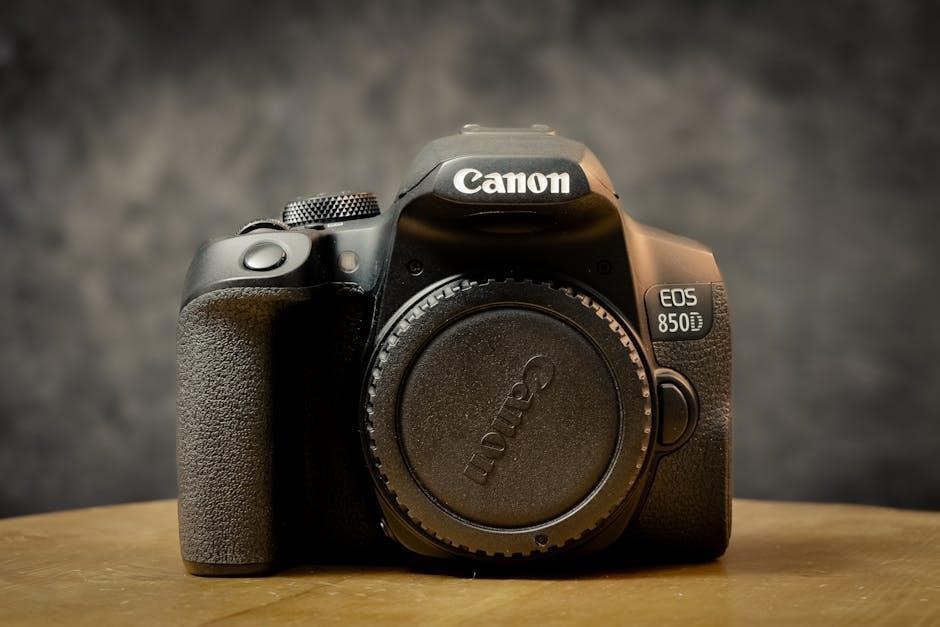
The Canon EOS 350D‚ a significant upgrade from the 300D‚ boasts 8․0 megapixels and a faster frame rate‚ addressing prior firmware limitations․
Overview of the Canon EOS 350D
The Canon EOS 350D‚ released as the successor to the incredibly popular EOS 300D‚ quickly established itself as a leading Digital SLR․ This camera represents a notable evolution‚ offering improvements beyond simply adding to the model number․ It features an 8․0-megapixel sensor‚ delivering enhanced image detail compared to its predecessor․
Notably‚ Canon addressed criticisms leveled at the 300D by removing firmware restrictions‚ unlocking the camera’s full potential․ The 350D achieves a faster 3 frames-per-second continuous shooting speed‚ improving action photography capabilities․ It’s a zippy camera‚ designed for both beginners looking to step up from point-and-shoot models and enthusiasts desiring more creative control․
Key Features and Specifications
The Canon EOS 350D boasts an 8․0-megapixel CMOS sensor‚ capturing detailed images suitable for larger prints and cropping․ It offers a continuous shooting speed of 3 frames per second‚ enhancing its ability to capture action․ The camera features a 9-point autofocus system for accurate subject tracking․
Key specifications include a DIGIC II image processor‚ contributing to faster processing and improved image quality․ It supports both RAW and JPEG image formats‚ providing flexibility in post-processing․ Importantly‚ the 350D overcomes the firmware limitations present in the EOS 300D‚ offering a more unrestricted user experience․ It utilizes standard Canon EF/EF-S lenses‚ expanding system compatibility․
Target Audience for this Camera
The Canon EOS 350D primarily targets photography enthusiasts stepping up from point-and-shoot cameras or looking for an affordable entry into DSLR photography․ Its user-friendly interface and automatic modes make it accessible for beginners‚ while offering enough manual control to satisfy those wanting creative exploration․
This camera appeals to individuals desiring improved image quality and versatility compared to simpler cameras․ The 350D is ideal for hobbyists‚ families‚ and students interested in documenting life’s moments with greater detail․ Its upgrade over the 300D‚ particularly addressing firmware issues‚ makes it attractive to those seeking a reliable and capable entry-level DSLR․
Getting Started with Your EOS 350D
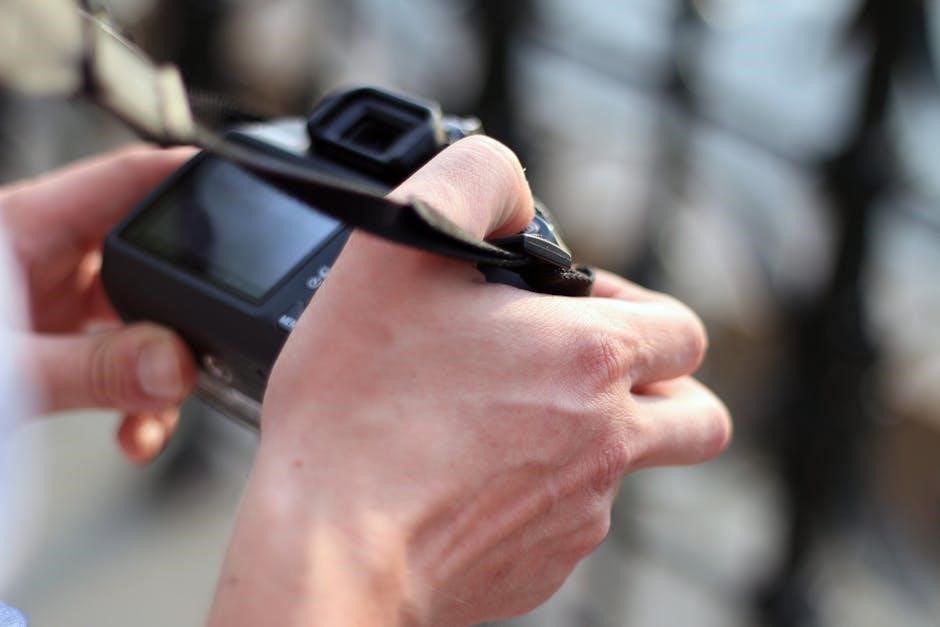
Begin by carefully unboxing your camera‚ inserting the battery and a compatible memory card‚ and familiarizing yourself with the essential camera controls․
Unboxing and Initial Setup
Upon opening the box‚ carefully remove the Canon EOS 350D body‚ the included kit lens (typically an 18-55mm)‚ battery‚ battery charger‚ neck strap‚ and various cables and manuals․ Inspect all components for any visible damage․ Before proceeding‚ locate a safe‚ clean‚ and well-lit workspace․
The initial setup involves connecting the battery charger to a power outlet and fully charging the battery – this is crucial for optimal performance․ While the battery charges‚ take time to review the included documentation‚ particularly the quick start guide․ Once charged‚ insert the battery into the camera’s battery compartment‚ ensuring it clicks securely into place․ Finally‚ insert a compatible memory card (CompactFlash type I) into the designated slot․
Inserting the Battery and Memory Card
To insert the battery‚ locate the battery compartment door on the bottom of the Canon EOS 350D․ Slide the locking mechanism to unlock and open the door․ Insert the supplied battery pack‚ ensuring the gold contacts align with those in the compartment‚ and push it in until it clicks․ Securely close the battery door by sliding the locking mechanism back into its locked position․
For the memory card‚ find the CompactFlash (CF) card slot‚ also on the bottom of the camera․ Open the CF card door and insert a compatible CF card‚ label-side up‚ until it clicks into place․ Gently push it in fully․ Do not force the card․ Close the CF card door until it latches․ Proper insertion ensures reliable data storage for your photos․
Understanding the Camera Controls
The Canon EOS 350D features a comprehensive array of controls for both beginners and experienced photographers․ The main dial selects shooting modes – Auto‚ Program (P)‚ Shutter Priority (Tv)‚ Aperture Priority (Av)‚ and Manual (M)․ The four-way controller navigates menus and adjusts settings like ISO and white balance․
The ‘Set’ button confirms selections‚ while the ‘Q’ button provides quick access to frequently used settings․ The rear LCD displays shooting information and menu options․ Familiarize yourself with the function buttons surrounding the LCD for efficient operation․ The top panel houses the shutter button‚ main dial‚ and power switch‚ essential for initiating and controlling image capture․
Shooting Modes Explained
The EOS 350D offers diverse shooting modes‚ from fully automatic operation for beginners to manual control for experienced photographers seeking creative flexibility․
Auto Mode for Beginners
For those new to DSLR photography‚ the Canon EOS 350D’s Auto mode provides a straightforward starting point․ In this mode‚ the camera handles all settings – aperture‚ shutter speed‚ ISO‚ and white balance – automatically‚ allowing you to focus solely on composition and capturing the moment․ It’s ideal for everyday snapshots and situations where quick results are prioritized over precise control․
The camera intelligently analyzes the scene and selects the optimal settings for well-exposed images․ While offering convenience‚ Auto mode limits creative input․ However‚ it’s a valuable learning tool‚ enabling beginners to understand how different settings affect the final image before venturing into more advanced modes․ Simply point‚ shoot‚ and let the 350D do the rest!
Program Mode (P) for Creative Control
Program (P) mode on the Canon EOS 350D offers a balance between automatic operation and manual control‚ bridging the gap for photographers seeking more creative input․ The camera automatically selects the aperture and shutter speed for proper exposure‚ but allows you to adjust ISO‚ white balance‚ and Picture Style settings․
This mode is excellent for situations where you want to influence the image’s look without fully managing every setting․ You can also utilize exposure compensation to fine-tune the brightness․ Program mode provides a stepping stone towards mastering manual controls‚ offering a comfortable level of assistance while encouraging experimentation and artistic expression․ It’s a versatile option for various shooting scenarios․
Shutter Priority Mode (Tv)
Shutter Priority mode (Tv) on the Canon EOS 350D empowers photographers to control motion blur and freeze action by directly setting the shutter speed․ The camera automatically adjusts the aperture to achieve correct exposure based on your chosen shutter speed and the available light․
This mode is ideal for capturing fast-moving subjects like sports or wildlife‚ where a fast shutter speed is crucial to prevent blur․ Conversely‚ a slower shutter speed can create intentional motion blur‚ conveying a sense of movement․ Remember to monitor the aperture value; extremely slow or fast shutter speeds might result in limited aperture choices․ Experimentation is key to mastering this powerful creative tool․
Aperture Priority Mode (Av)
Aperture Priority (Av) mode on the Canon EOS 350D allows you to dictate the depth of field in your images‚ while the camera automatically selects the appropriate shutter speed for proper exposure․ A wider aperture (lower f-number) creates a shallow depth of field‚ ideal for isolating subjects with a blurred background – perfect for portraits․
Conversely‚ a narrower aperture (higher f-number) increases the depth of field‚ keeping more of the scene in focus‚ suitable for landscapes․ Be mindful of the shutter speed chosen by the camera; in low light‚ a narrow aperture might result in a slow shutter speed‚ potentially causing motion blur․ Understanding the relationship between aperture‚ shutter speed‚ and ISO is crucial for effective use of Av mode․
Manual Mode (M) for Full Control
Manual (M) mode on the Canon EOS 350D grants you complete creative authority over both aperture and shutter speed‚ demanding a solid understanding of exposure principles․ This mode is ideal for challenging lighting situations where automatic modes struggle‚ or when you desire a specific artistic effect․
You’ll need to independently adjust both settings‚ monitoring the light meter within the viewfinder to achieve proper exposure․ Experimentation is key! Remember the interplay between aperture (depth of field) and shutter speed (motion blur)․ Mastering Manual mode unlocks the full potential of the 350D‚ allowing for precise control and unique photographic expression․
Focusing and Image Quality
The 350D features a robust autofocus system and an 8․0-megapixel sensor‚ offering choices between RAW and JPEG formats for optimal image quality․
Autofocus System and Modes
The Canon EOS 350D utilizes a 9-point autofocus (AF) system‚ providing a wider area for subject tracking compared to some earlier models․ This system employs the TTL-SI (Through-The-Lens Secondary Image) method for accurate focusing․ Users can select from various AF modes‚ including One-Shot AF for stationary subjects‚ and AI Servo AF for tracking moving objects․
The AF modes are accessible through the camera’s menu‚ allowing customization based on the shooting scenario․ Selecting the appropriate AF point is crucial for sharp images; the camera allows direct selection of the AF point using the directional buttons․ Furthermore‚ the 350D offers focus lock (AF Lock) functionality‚ enabling users to lock focus on a specific point and recompose the shot․ Understanding these modes is key to achieving consistently sharp and well-focused photographs․
Understanding the 8․0 Megapixel Sensor
The Canon EOS 350D features an 8․0-megapixel APS-C sized CMOS sensor‚ a notable improvement over the 6․3-megapixel sensor in the EOS 300D․ This increase in megapixels allows for larger prints and more detailed images‚ offering greater flexibility in post-processing․ The APS-C sensor size results in a 1․6x crop factor‚ impacting the effective focal length of attached lenses․
The sensor’s design contributes to improved image quality and reduced noise‚ particularly at higher ISO settings․ While not matching the performance of full-frame sensors‚ the 8․0-megapixel sensor delivers excellent results for most photographic applications․ Understanding the sensor’s capabilities is crucial for maximizing image quality and achieving desired creative effects․
Image Quality Settings (RAW vs․ JPEG)
The Canon EOS 350D allows photographers to choose between shooting in RAW and JPEG formats‚ each offering distinct advantages․ JPEG files are compressed‚ resulting in smaller file sizes and immediate usability‚ ideal for quick sharing and basic editing․ However‚ this compression discards some image data․
RAW files‚ conversely‚ contain all the data captured by the sensor‚ providing maximum flexibility for post-processing․ This allows for extensive adjustments to exposure‚ white balance‚ and other parameters without significant quality loss․ While RAW files require processing with software like Canon’s Digital Photo Professional‚ they offer superior image quality and control for serious photographers․
White Balance Adjustment
Achieving accurate colors is crucial‚ and the Canon EOS 350D offers comprehensive white balance controls․ Automatic White Balance (AWB) is convenient for general shooting‚ but can sometimes be inaccurate under unusual lighting conditions․ For precise results‚ utilize the preset modes: Daylight‚ Cloudy‚ Shade‚ Tungsten‚ and Fluorescent․
Custom White Balance allows you to manually set the white point using a white or gray card‚ ensuring color accuracy in challenging situations․ Fine-tuning is also possible with the Kelvin temperature adjustment‚ offering granular control over color temperature․ Understanding and utilizing these settings will dramatically improve the natural look of your images․
Advanced Features and Settings
The EOS 350D provides extensive customization via Custom Functions‚ Picture Style settings‚ and a helpful Histogram for precise exposure compensation․
Custom Functions and Personalization
The Canon EOS 350D empowers users with a robust set of Custom Functions‚ allowing for tailored camera operation․ These functions enable personalization of button assignments‚ autofocus behavior‚ and display settings to match individual shooting preferences․
Through the menu system‚ photographers can fine-tune the camera’s response to their specific needs․ For example‚ the shutter button can be configured for half-press autofocus or instant activation․ Customizing the Quick Control screen provides rapid access to frequently adjusted settings․
This level of personalization streamlines workflow and enhances shooting efficiency‚ making the 350D a truly adaptable tool․ Experimenting with these settings unlocks the camera’s full potential‚ transforming it from a capable device into an extension of the photographer’s vision․
Picture Style Settings
Canon’s Picture Style settings on the EOS 350D offer a powerful way to customize the look of your images directly within the camera․ These presets – Standard‚ Portrait‚ Landscape‚ Neutral‚ Faithful‚ and Monochrome – adjust sharpness‚ contrast‚ color saturation‚ and tone․
Each style caters to different photographic scenarios․ For instance‚ ‘Portrait’ prioritizes skin tones‚ while ‘Landscape’ enhances blues and greens․ ‘Neutral’ provides a flat profile ideal for post-processing flexibility․ Users can also create and save up to three custom Picture Styles․
Fine-tuning individual parameters within each style allows for precise control over the final image appearance․ This feature eliminates the need for extensive editing‚ delivering desired results straight from the camera‚ saving valuable time and effort․
Histogram and Exposure Compensation
Understanding the histogram is crucial for achieving proper exposure with the Canon EOS 350D․ This graph displays the tonal distribution in your image‚ revealing potential over or underexposure․ A histogram skewed to the left indicates underexposure‚ while a right-skew suggests overexposure․
The 350D’s exposure compensation feature allows you to fine-tune the camera’s metering system․ Use it to brighten or darken images when the camera’s automatic settings aren’t ideal; Adjusting the compensation in plus or minus stops ensures accurate exposure in challenging lighting conditions․
Regularly reviewing the histogram and utilizing exposure compensation will significantly improve your image quality‚ preventing lost detail in highlights or shadows and ensuring well-balanced photographs․
Firmware Updates and Benefits
Canon frequently releases firmware updates for the EOS 350D‚ addressing bugs and enhancing performance․ These updates‚ available for download from Canon’s website‚ are crucial for optimizing your camera’s functionality․
Updating the firmware can resolve issues like compatibility problems with certain memory cards or lenses‚ and improve autofocus accuracy․ Importantly‚ the 350D was not firmware-disabled like its predecessor‚ the 300D‚ meaning updates genuinely add value․
Before updating‚ carefully follow Canon’s instructions to avoid any potential issues․ Regularly checking for updates ensures your 350D operates at its best‚ benefiting from the latest improvements and maintaining optimal performance․

Comparing the EOS 350D to the EOS 300D
The EOS 350D offers a notable improvement over the 300D‚ featuring an 8․0-megapixel sensor‚ increased speed‚ and crucially‚ no firmware limitations․
Megapixel Difference and Image Detail
The jump from the Canon EOS 300D to the 350D includes a significant increase in megapixel count‚ moving from 6․3 to 8․0․ This seemingly small difference translates to noticeably improved image detail‚ particularly when making larger prints or cropping images extensively․ Using the same lens‚ photographers will observe a clearer‚ more defined picture with the 350D․
The 8․0-megapixel sensor allows for greater flexibility in post-processing‚ enabling more aggressive editing without significant loss of quality․ While both cameras deliver excellent results‚ the 350D provides a tangible advantage for those prioritizing maximum detail and print size․ This upgrade caters to enthusiasts seeking higher resolution for their photographic endeavors․
Improvements in Speed and Performance
The Canon EOS 350D demonstrates a clear improvement in speed and overall performance compared to its predecessor‚ the 300D․ Notably‚ the 350D achieves a faster continuous shooting rate of 3 frames per second‚ allowing for better capture of action sequences․ This enhanced speed is a significant benefit for sports or wildlife photography‚ where capturing fleeting moments is crucial․
Beyond frame rate‚ the 350D’s responsiveness feels snappier‚ with reduced shutter lag and quicker image processing times․ These improvements contribute to a more fluid and enjoyable shooting experience․ The camera feels “zippy” and more capable of keeping pace with dynamic subjects‚ making it a more versatile tool for a wider range of photographic situations․
Addressing Firmware Limitations of the 300D
A key distinction between the EOS 300D and the EOS 350D lies in the removal of firmware-imposed limitations․ The 300D faced criticism for restrictions implemented through its firmware‚ hindering certain functionalities and impacting user experience․ Canon directly addressed these concerns with the 350D‚ delivering a camera free from such artificial constraints․
This change resulted in almost universal positive reception‚ as the 350D offered a more open and fully functional experience․ Users could now access the camera’s full potential without encountering previously frustrating limitations․ This commitment to removing restrictions demonstrated Canon’s responsiveness to user feedback and a dedication to providing a more complete photographic tool․
Troubleshooting Common Issues
Common problems include error messages‚ battery life concerns‚ and memory card compatibility issues; solutions are readily available for a smooth shooting experience․
Dealing with Error Messages
Encountering error messages on your Canon EOS 350D can be frustrating‚ but often easily resolved․ The camera’s display will present a code‚ referencing the manual is crucial for deciphering its meaning․
Common errors relate to the card‚ battery‚ or lens connection․ Try re-inserting the battery and memory card‚ ensuring proper alignment․ If a lens error appears‚ clean the contacts on both the lens and camera body․
For persistent errors‚ a reset to factory settings (found in the menu) can sometimes help․ If the issue remains‚ consult Canon’s support website or a qualified repair technician․ Documenting the error code and circumstances will aid in diagnosis․
Battery Life and Power Management
Maximizing battery life on your Canon EOS 350D is essential for extended shooting sessions; The camera utilizes the NB-2LH battery pack‚ offering approximately 500 shots per charge under standard conditions․
However‚ factors like LCD usage‚ image review frequency‚ and cold weather significantly impact performance․ Utilize the camera’s power-saving features‚ such as auto power off and LCD brightness adjustment․
Consider carrying a spare‚ fully charged battery‚ especially during travel or events․ Avoid leaving the battery in extreme temperatures․ Regularly check the battery indicator and charge when it’s low to ensure uninterrupted shooting․
Memory Card Compatibility
The Canon EOS 350D is compatible with CompactFlash (CF) Type I memory cards․ While it supports various CF card capacities‚ larger capacities (like 32GB or 64GB) may require formatting within the camera for optimal performance․
Ensure you use high-quality CF cards from reputable brands for reliable data storage and faster read/write speeds‚ crucial for continuous shooting and RAW image capture․
Avoid using counterfeit or low-quality cards‚ as they can lead to data corruption or camera malfunction․ Regularly back up your images to a computer or external storage device to prevent data loss․
Accessories and Optional Equipment
Enhance your EOS 350D with recommended lenses‚ external flashes for improved lighting‚ and remote shutters for convenient operation and creative possibilities․
Recommended Lenses for the EOS 350D
Expanding beyond the kit lens unlocks the full potential of your Canon EOS 350D․ For everyday photography‚ the Canon EF-S 18-55mm (often included) is a versatile starting point․ Stepping up‚ the EF-S 17-85mm offers a wider range and improved image quality․
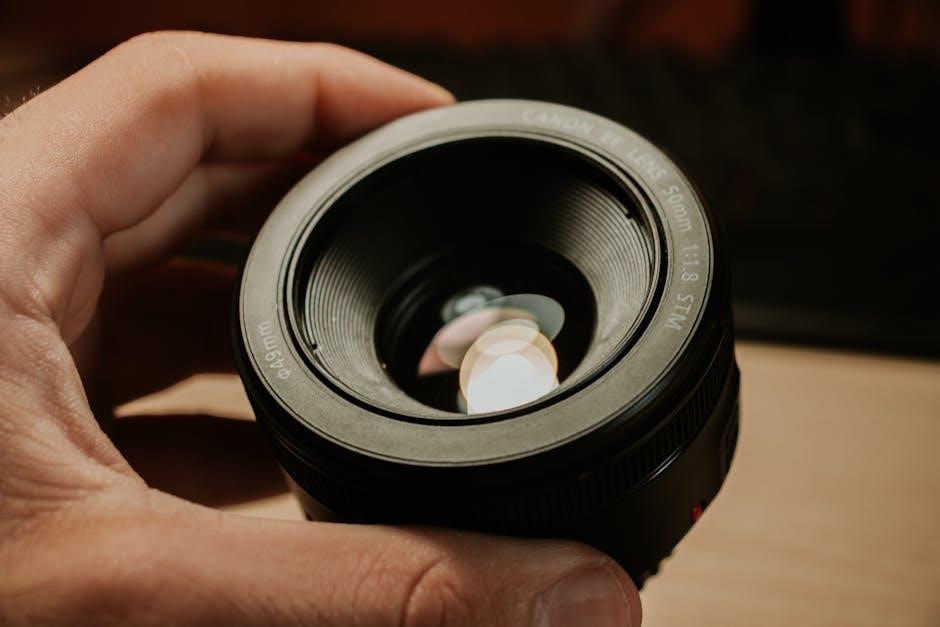
Portrait photographers will appreciate the Canon EF 50mm f/1․8 STM – a budget-friendly prime lens delivering beautiful bokeh․ For landscapes‚ consider the Canon EF-S 10-22mm for expansive views․ Telephoto options like the EF 70-300mm are ideal for wildlife or sports․ Remember to check lens compatibility with the EOS 350D’s APS-C sensor․
External Flashes and Lighting
The built-in flash on the Canon EOS 350D is useful‚ but an external flash dramatically improves lighting control and image quality․ Canon’s Speedlite series‚ like the Speedlite 430EX II‚ offers TTL (Through-The-Lens) metering for accurate exposures․
Off-camera flash techniques‚ using wireless triggers‚ allow for creative lighting setups․ Softboxes and umbrellas diffuse the flash‚ creating softer‚ more flattering light․ Consider a ring flash for macro photography‚ providing even illumination․ Proper lighting enhances details and reduces harsh shadows‚ elevating your photography beyond basic snapshots․ Experiment with different modifiers to achieve desired effects․
Remote Shutters and Other Add-ons
Beyond lenses and flashes‚ several accessories enhance the EOS 350D experience․ A remote shutter release minimizes camera shake during long exposures‚ crucial for landscapes and low-light photography․ Consider a good quality tripod for stability‚ especially when using slower shutter speeds․
Battery grips provide extended shooting time and improved ergonomics․ Protective LCD screen covers prevent scratches․ Cleaning kits‚ including lens cloths and blower brushes‚ maintain optimal image clarity․ Explore aftermarket accessories for customized solutions․ These add-ons expand the camera’s functionality and protect your investment‚ allowing for greater creative control and convenience․