
Free printable blood pressure sheets provide a concise A4 format for home monitoring. They include QR codes linking to the Hy‑Result app, enabling quick data transfer and interpretation. Distributed by clinicians or downloadable online, these sheets help track readings accurately. They aid consistent tracking.!

Why Use a Printable PDF for Blood Pressure Tracking
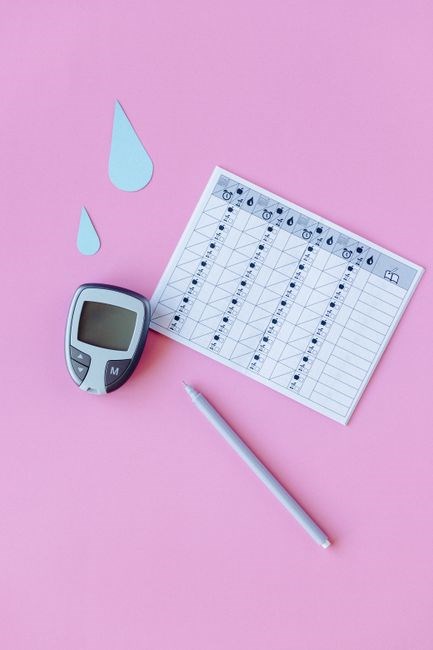
Choosing a printable PDF for blood‑pressure monitoring offers several practical advantages. First, the paper format is universally accessible—no special software or device is required, and the sheet can be printed on any standard printer. Second, the layout is designed for quick, error‑free data entry: clearly labeled columns for systolic, diastolic, pulse, date, and time simplify daily logging. Third, the embedded QR code links directly to the Hy‑Result mobile application, allowing instant upload of recorded values to a secure cloud database. This integration eliminates manual transcription and reduces the chance of mistakes. Fourth, because the file is free and downloadable, patients can print multiple copies for use at home, at work, or during travel, ensuring continuity of care. Finally, a printable sheet supports the “rule of three” measurement schedule—three readings each morning and evening—by providing a structured space for each entry, which helps patients adhere to best‑practice guidelines and detect subtle trends that might be missed during a single clinic visit. Together, these features make a printable PDF a reliable, low‑cost tool for proactive blood‑pressure management.
Moreover, the printable format lets patients keep a physical log that can be reviewed during appointments, giving clinicians a complete history. The QR code streamlines data transfer, eliminating manual entry. Patients can share the PDF with family or caregivers. Printing multiple copies ensures continuity of monitoring even when traveling or in areas with limited internet connectivity. and health
Key Features of the Standard PDF Sheet
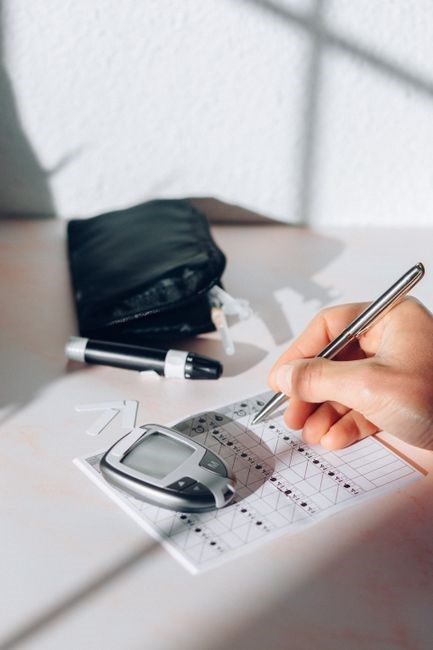
Free printable A4 sheets provide a clear, ready‑to‑use format for home monitoring. They include instructions, a consistent layout, and allow printing multiple copies for home, work, or travel. The PDF is downloadable at no cost, ensuring easy access for patients. It also offers a summary of guidelines daily use
Structured Format for Easy Recording
These free printable sheets are designed with a clean, column‑based layout that mirrors the format used in clinical settings. Each page contains separate rows for systolic, diastolic, and pulse values, along with a dedicated column for the time of measurement. The top of the sheet includes a brief instruction panel that reminds users to measure before breakfast, after a 5‑minute rest, and to avoid caffeine or exercise for at least 30 minutes prior. A small note below the table encourages patients to record medication names and dosage so that trends can be correlated with drug intake. The sheet also features a shaded header row that repeats the date for each week, allowing quick visual scanning of daily patterns. A QR code is placed in the corner, linking to the Hy‑Result mobile app; when scanned, the app auto‑fills the data fields, reducing manual entry errors. The overall design prioritizes legibility: bold numerals for readings, a wide margin for handwritten notes, and a consistent font size that remains readable even after multiple uses. By structuring the data in this way, patients can easily spot fluctuations, identify potential white‑coat effects, and share concise summaries with their healthcare provider during appointments. The PDF is downloadable in high resolution, ensuring that the printed version retains clarity for both the user and the clinician. This structured approach not only simplifies daily logging but also supports longitudinal analysis, making it a valuable tool for anyone managing hypertension at home.
QR Code Integration with Hy-Result App
On the free printable blood pressure sheet, a QR code is strategically placed in the bottom right corner of each page. Scanning this code with a smartphone camera instantly launches the Hy‑Result mobile application, which is specifically designed to streamline hypertension monitoring. Once the app opens, it automatically detects the QR code and prompts the user to confirm the data entry. The user then inputs the systolic, diastolic, and pulse readings, along with the measurement time and any relevant notes. After submission, the app stores the data in a secure, cloud‑based database that can be accessed from any device. This seamless integration eliminates the need for manual transcription, reducing the risk of errors that can arise from handwritten entries. Additionally, the app provides real‑time visualizations, such as trend graphs and average calculations, that help patients and clinicians quickly assess blood pressure control over time. The QR code also includes a unique identifier for each patient, ensuring that the data is correctly associated with the right medical record. For users who prefer not to use a smartphone, the sheet still functions as a standalone log, but the QR code feature offers a convenient digital backup that aligns with modern health data practices. By combining paper and digital tools, the free printable sheet leverages the strengths of both mediums, making hypertension tracking more accurate, efficient, and user‑friendly. This hybrid method keeps records accurate and consistent now

Downloading and Printing the PDF
Free printable blood pressure sheets can be downloaded from official sites such as Automesure, Osiade, or KitMedical. After clicking the download link, save the PDF and print on A4 paper. Ensure the printer is set to high quality for clear QR codes and legible fields.
Official Sources (Automesure, Osiade, KitMedical)
When searching for a free printable blood‑pressure sheet, the most reliable places are the official websites of Automesure, Osiade, and KitMedical. These organisations are recognised by French health authorities and provide PDFs that follow the guidelines of the Société française d’hypertension artérielle and the Haute Autorité de Santé. Each source offers a concise A4 sheet that includes a QR code for the Hy‑Result application, ensuring that your measurements can be uploaded and analysed. The sheets are designed with a clear, structured layout: a column for date, time, systolic, diastolic, pulse, and a final column for notes. Users download PDFs from the home! The files are available in PDF format, which guarantees that the layout remains unchanged when printed on any standard A4 printer. By using these official sources, you avoid the risk of downloading corrupted or outdated sheets that might mislead your monitoring. The QR code embedded in each sheet links to the Hy‑Result app, a tool that automatically calculates averages, flags abnormal readings, and provides visual trends over time. This integration simplifies the process of tracking hypertension and helps patients stay engaged with their health data. If you prefer a bilingual version, many of these sites also offer an English translation of the sheet, making it accessible to a broader audience. In summary, choosing Automesure, Osiade, or KitMedical as your source guarantees a trustworthy, up‑to‑date, and user‑friendly printable blood‑pressure sheet that supports consistent home monitoring.
Ensuring the PDF is Up-to-Date
To guarantee that your printable blood‑pressure sheet reflects the latest clinical recommendations, follow these steps. First, visit the official download page of Automesure, Osiade, or KitMedical. Each page displays the publication date in the header or footer of the PDF; a recent date (e.g., 2026‑05‑13) indicates that the sheet incorporates the most current French hypertension guidelines. Second, check the PDF metadata by opening the file in a viewer such as Adobe Acrobat or a browser. The “Document Properties” section lists the creation and modification dates; if the modification date is within the last year, the sheet is likely current. Third, look for a version number or revision note on the first page. A version “v2.0” or “Revision 2026” signals an update that may include new QR‑code links or revised measurement intervals. Fourth, confirm that the QR code directs to the latest Hy‑Result app URL. Scan the code with a smartphone; the resulting web address should begin with “https://hy-result.com” and lead to a page that states “Version 3.1” or similar. Finally, keep an eye on the French Haute Autorité de Santé announcements. When new guidelines are released, the official sites typically update the PDF within 30 days. By routinely checking these indicators, you can be confident that your printable sheet remains accurate, compliant, and useful for daily monitoring.
Store printed sheets in a dedicated binder or scan them to create PDF copies. Review trends with your provider to adjust lifestyle or medication as needed. This approach helps maintain blood pressure control for daily use with doctor.
Measuring Blood Pressure at Home
Measure at home using the free sheet. Record three readings each morning before breakfast and three at night before bed, spacing two minutes apart. Sit calmly, arm supported, cuff snug. Avoid talking or moving. This routine reduces white‑coat bias and captures true daily levels. Record each value accurately.
Recommended Measurement Schedule (3 times morning, 3 times evening)
For reliable home monitoring, follow a strict schedule that mirrors clinical recommendations. Begin each day by measuring blood pressure three times in the morning, immediately after waking, before eating, drinking, or taking medication. Sit quietly for five minutes, place the cuff on the right arm at heart level, and ensure the cuff is snug but not tight. Record each reading on the free printable sheet, noting the time and any symptoms.
Repeat the same procedure three times in the evening, ideally 30 minutes before bedtime. This timing captures nocturnal variations and helps identify patterns that may be missed during office visits. Keep the interval between consecutive measurements at two minutes to allow the cuff to deflate fully and the heart rate to stabilize.
Maintain consistency: use the same cuff size, same arm, and the same position (seated, back supported, feet flat on the floor). Avoid talking, moving, or consuming caffeine and nicotine at least 30 minutes before each session. By adhering to this routine, you create a robust dataset that can be uploaded via the QR code on the sheet to the Hy‑Result app for trend analysis and professional review.
Consistent daily entries provide a clear picture of blood pressure trends, enabling early detection of hypertension or hypotension. By reviewing the printed sheet regularly, you can spot outliers, assess medication impact, and discuss adjustments with your healthcare provider for optimal management now! Track trends for health!!!
Proper Technique to Avoid White-Coat Effect
To eliminate the artificial spike that occurs in clinical settings, perform each measurement in a calm, familiar environment. Sit upright with your back supported, feet flat on the floor, and the cuff placed on the right arm at heart level. Allow yourself five minutes of quiet rest before the first reading, and keep the cuff snug but not tight. Avoid speaking, moving, or chewing gum during the measurement.
Maintain consistency by using the same cuff size, the same arm, and the same posture each time. Refrain from consuming caffeine, nicotine, or heavy meals at least thirty minutes prior to measurement. Record each reading on the free printable sheet, noting the time and any accompanying symptoms. Scan the QR code on the sheet to upload data to the Hy‑Result app for trend analysis.
By following this routine, you reduce stress‑induced elevations and obtain values that truly reflect your everyday blood pressure. Consistent, accurate data empower you and your healthcare provider to make informed decisions about treatment and lifestyle changes. Track your progress and stay in control of your cardiovascular health! Stay healthy.

Using the Sheet for Daily Monitoring
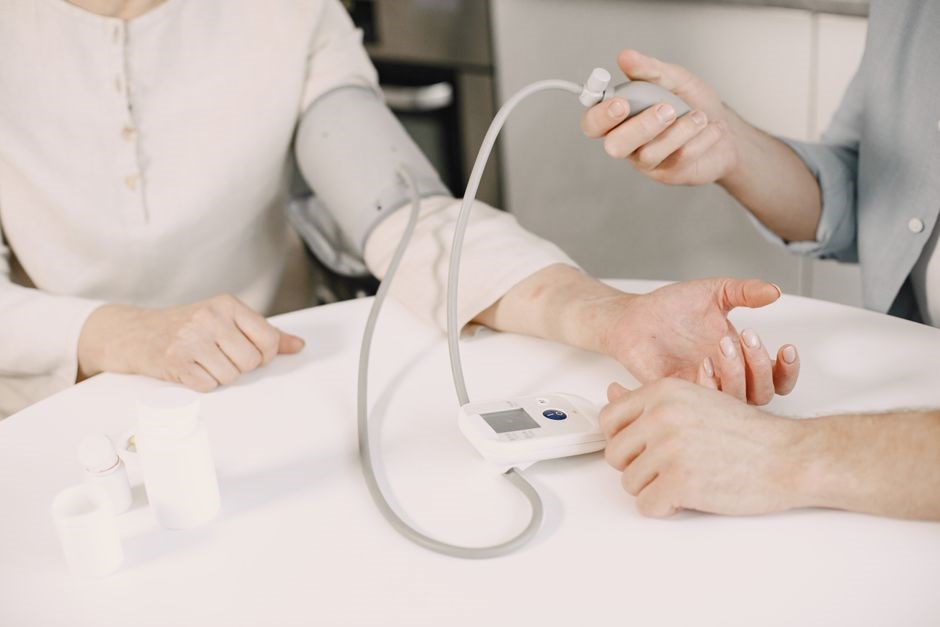
Fill each slot with the systolic and diastolic numbers, heart rate, and time of day. Use the QR code to instantly sync data to the Hy‑Result app, where trends appear graphically. Review weekly summaries to spot patterns and discuss changes with your clinician. Keep the sheet handy for quick review during check‑ups!!!
Filling the Sheet Correctly
To ensure reliable data, follow these steps each time you record a reading on the free printable blood‑pressure sheet:
- Prepare the cuff: Place the cuff on the upper arm, snug but not tight, aligning the center of the cuff with the brachial artery. Verify the cuff size matches your arm circumference.
- Position yourself: Sit upright with feet flat on the floor, back supported, and arm resting on a flat surface at heart level. Relax for at least one minute before measuring.
- Record the date and time in the designated fields. Consistency helps identify trends.
- Take three consecutive readings (morning and evening) with a two‑minute interval between each. Enter systolic, diastolic, and pulse values for each measurement.
- Use the QR code on the sheet to scan with the Hy‑Result app. The app automatically imports your numbers, reducing transcription errors.
- Note any anomalies (e.g., feeling dizzy, recent medication changes) in the free‑text area so you can discuss them with your clinician.
- Print a fresh sheet weekly to keep a clean record and avoid confusion with older data.
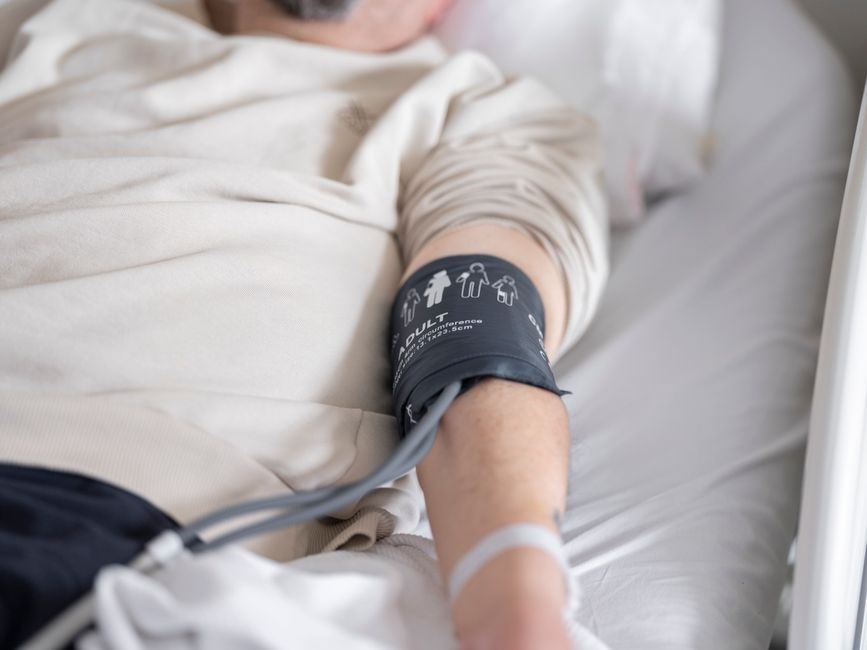
By consistently following this protocol, the sheet becomes a reliable tool for tracking blood‑pressure trends, supporting early detection of hypertension, and facilitating informed discussions with healthcare providers. Remember to review your average readings weekly to spot any significant shifts.
Interpreting Your Results
After filling the sheet, calculate the average systolic and diastolic values for each day. Compare these averages to the standard thresholds: Normal (< 120/80 mmHg), Elevated (120‑129/< 80), Hypertension Stage 1 (130‑139/80‑89), Hypertension Stage 2 (≥140/≥90). If readings consistently fall into Stage 1 or 2, schedule a follow‑up with your clinician. Note that white‑coat hypertension can inflate numbers; the free sheet’s home‑based design helps mitigate this. Use the QR‑code‑enabled app to plot trends over weeks; a rising slope indicates worsening control. If you observe a sudden spike or a persistent pattern above 140/90, contact your healthcare provider promptly. Also, consider lifestyle factors: recent caffeine intake, stress, or medication changes may temporarily alter readings. Document these in the free‑text section so they can be correlated with the numbers. Finally, set a personal target range (often <130/80 for high‑risk patients) and review progress monthly. Consistent monitoring with the printable sheet and app integration empowers proactive management and early intervention. When reviewing the trend graph generated by the app, look for consistent upward or downward slopes; a sudden spike may signal an acute event, while a gradual rise over weeks indicates the need for medication adjustment. If readings frequently exceed 140/90, consider lifestyle changes such as reducing sodium intake, increasing physical activity, and monitoring stress levels. Regular communication with your healthcare provider helps tailor treatment plans and prevent complications; Now

